

Wawel Schokolade: Geschichte und Produkte aus Krakau
Am Ende des 19. Jahrhunderts träumte ein Junge namens Adaś Piasecki davon, Konditor zu werden. In 1898, young Adam Piasecki, already experienced in his confectionery profession, purchased his first workshop and shop at 20 ul. Długa. W 1898 roku, tuż po zdanym egzaminie, Adam Piasecki założył firmę cukierniczą. W niewielkim zakładzie przy ulicy Długiej zatrudniał początkowo 5 osób. The “King of Chocolate”, as Piasecki came to be known, along with the Swiss master and a team of 22 employees, dedicated themselves daily to ensuring that their confections delighted even the most discerning palates.
Wyjątkowe powodzenie i rosnąca sława jego wyrobów skłoniły Piaseckiego w 1910 roku do rozpoczęcia produkcji fabrycznej. The increasing demand for products from his confectionery prompted Piasecki to acquire a property at 26 ul. Szlak in the early 1910s. Following the purchase, Piasecki started by adapting the existing structures for factory use and by constructing facilities. Pierwszy sklep firmowy otworzył w kamienicy przy Rynku Głównym w Krakowie.
Wachstum, Fusionen und Umstrukturierung
Przełom nastąpił w 1951 roku. Wtedy to połączono 3 krakowskie zakłady cukiernicze: Fabrykę Wyrobów Czekoladowych Pischinger, Fabrykę Czekolady Suchard i Fabrykę Wawel. Powstałe przedsiębiorstwo działało jako Zakłady Przemysłu Cukierniczego Wawel. W 1992 roku w wyniku prywatyzacji Zakłady Przemysłu Cukierniczego Wawel stały się spółką akcyjną. Na rynku podstawowym warszawskiej giełdy akcje ZPC Wawel SA zadebiutowały 11 marca 1998 roku. W 2005 roku firma zmieniła nazwę na Wawel SA.
At the inception of this venture, “Wawel” Confectionery Manufacturing Plant boasted an array of offerings: 36 varieties of caramels, 24 varieties of chocolate collections, 12 hard chocolate varieties and 8 varieties of pastry. Wawel produced confectionery in three Kraków-based facilities, each with a specialised production profile. W pierwszym zakładzie na ul. Wrocławskiej powstawały głównie czekoladki nadziewane oraz cukierki i batony czekoladowe. Solid chocolate bars and bars with additional ingredients, chocolate caramels and cocoa came from the facility on ul. Masarska. The beloved Michałki and wafers were churned out daily by the third facility.
Moderne Produktion in Dobczyce
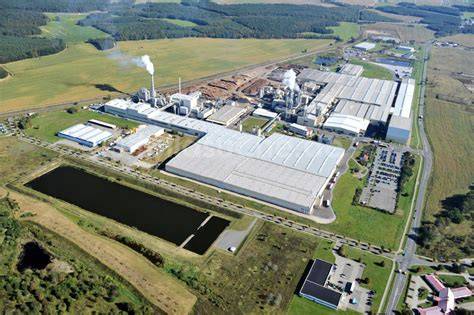
W 2006 roku została ukończona nowa inwestycja w podkrakowskich Dobczycach, gdzie przeniesiono całą produkcję. After more than a century of operating in Kraków, the three plants were consolidated into a single modern production facility constructed in Dobczyce, near Kraków, where the entire production process is gradually being transitioned. Spanning nearly six hectares, this modern factory is situated within the Industrial Zone. The plant in Dobczyce is being successively expanded in 5 stages.
Lesen Sie auch: Hype, Inhaltsstoffe und Qualität: Dubai-Schokolade im Vergleich
Wawel produces nearly 45,000 tons of sweets annually, but it does not stop developing. 2015 began the construction of manufacturing plant no. 2 along with the installation of new, ultra-modern production lines and packaging machines. The construction of the state-of-the-art manufacturing facility no. 2, connected to the existing one by a technological flyover, has been completed. The new facility is equipped with renewable energy sources (cells providing hot water for domestic and technological use).
Despite the clear advantage of ultra-modern machines, there is a place in the Wawel confectionery factory where time stands still. It is the caramel workshop, where original caramels are manufactured with traditional methods from over a century ago, using machines transferred from the old Wawel plants.
Qualitätssicherung und Zertifikate
Die Wawel factory meets all the standards required for food manufacturing. The production process is based on proven recipes, and the raw materials undergo meticulous control. This is evidenced by the implementation of a certified quality management system compliant with ISO 9001:2000, a Hazard Analysis and Critical Control Point (HACCP) system compliant with the Codex Alimentarius, the international food safety standard (BRC) and IFS Food (International Featured Standards). Produkty Wawelu słyną z produkcji słodyczy z najwyższej jakości składników i charakterystycznym dla marki smaku.
Unternehmensphilosophie, Umwelt und Mitarbeiter
Wawel is a responsible manufacturer, caring for its environment and the local community. Despite its systematic investment and development, Wawel is always mindful of the environment. The company’s management board headquarters remains in Kraków, situated at 14 ul. Wawel is a company that has never been indifferent to its neighbourhood. Today, we still uphold the principle that people are paramount at Wawel. It is thanks to the team’s dedication to crafting products of royal quality that the company continues to thrive. In 2022, approximately 1,000 individuals were employed at Wawel SA.
Export, Markenbekanntheit und Vertrieb
Dzięki obecności na zagranicznych targach, firma Wawel zaczyna być rozpoznawalna i dobrze kojarzona przez konsumentów. Stały wzrost eksportu wynika z rozwoju rynku czekoladowego i dobrej polityki handlowej firmy. Produkty Wawelu to nie tylko egzotyczne kraje i nowe rynki, ale przede wszystkim wizytówka polskiej jakości, która jest doceniana. Nasze wyroby trafiają także do zagranicznych Polonii, które dzięki nam mogą cieszyć się smakiem polskich produktów, do których dostęp jest często ograniczony.
Lesen Sie auch: Schnelle Schokoladenhärtung
Wawel hat ein großes Süßwarenprogramm, welches Tafelschokolade, Schokoladeriegel, Bonbons und Konfekt umfasst. Eine eigene Zuckerfrei-Linie macht Furore und erfreut sich immer größerer Beliebtheit. Schokolade und Süßwaren ohne zugesetzten Zucker eignen sich für alle Ernährungsbewussten, für Diabetiker, für Eltern mit Kindern, für Menschen mit gesunden Zähnen und für alle, die sich fit und gesund fühlen wollen. Die Schokoladen von Wawel sind geschmacklich von Schokoladen mit Zucker nicht zu unterscheiden.
Wir haben unseren online Shop immer geöffnet, Öffnungszeiten 24/7.
Ikonische Produkte und ihre Geschichten
Malaga, której historia sięga końca lat 60, to pierwsze czekoladki z tej wspaniałej serii. The first chocolate innovation to emerge was Malaga, still cherished today and initially crafted by hand. Były formowane ręcznie, a nazwę zaczerpnięto, jak łatwo się domyślić, z Hiszpanii. Jednak nie od prowincji o tej samej nazwie, lecz od słodkiego wina.
Kasztanki wkroczyły przebojem na „salony” w Polsce w latach 70. Delikatnie oblane deserową czekoladą, skrywają kakaowe nadzienie z dodatkiem chrupiących wafelków. Na przestrzeni lat ich receptura nie uległa żadnym zmianom. A skąd nazwa? Pochodzi ona od wyjątkowego kształtu czekoladki, bo choć forma Kasztanków przypomina muszlę, to niektórzy doszukują się w niej kasztanowego kształtu.
Tiki Taki to kolejny smak z najbardziej znanego czekoladowego trio. Nazwa pralin pochodzi od popularnej niegdyś zabawki - klik klaka. To właśnie dwie kuleczki zawieszone na sznurku, które wywoływały uśmiech na twarzach dzieci, stanowiły inspirację do powstania nazwy tego przysmaku. Tiki Taki wyprodukowano pierwszy raz na początku lat 70. Niebanalną nazwę i sympatyczne skojarzenie poparto fantazyjnym smakiem.
Lesen Sie auch: Alles über Camondas Dubai Schokolade
Ręcznie wykonywane Karmelki od lat wykonywane są tradycyjną metodą, której zawdzięczają swój niepowtarzalny wygląd i smak.
Czekoladowa Danusia to dowód miłości właściciela firmy - Adama Piaseckiego do pięknej pracownicy. At the peak of success in the 1920s, Adam Piasecki developed a unique recipe for the renowned chocolate with praline filling, naming it Danusia in honor of one of his employees. Na początku lat dwudziestych ubiegłego stulecia, oczarowany urzekającą urodą Danusi, mistrz cukierniczy opracował oryginalną recepturę czekoladowego batonika. Wysublimowany, elegancki wygląd oraz niepowtarzalny smak batonik Danusia zawdzięcza specjalnej linii produkcyjnej, którą Piasecki sprowadził wówczas z Włoch.
Wawel und Krakau: kultureller Kontext
Jeden Krakaubesucher zieht sie fast magisch an, die Wawel-Anhebung mit ihrer Burganlage. Über der Weichsel, mitten in Krakau liegt das alte Machtzentrum der Region. Der von seinem dicken Mauern umgebene Burghof öffnet sich vor uns. Unzählige Kindergruppen standen hier vor der Skulptur des Drachen und warteten auf seinen nächsten Feuerstoß. Dieser wird automatisch alle paar Minuten ausgestoßen und stößt bei den Zuschauern auf totale Begeisterung.
Ein breiter Weg führt uns vom Flussufer hoch in die Burganlage. Der Ausblick auf die Weichsel ist von hier einfach wunderschön. Wawel als regionale Ikone verstärkt die emotionale Verbindung zwischen Marke und Stadt: Krakau als historischer Ort macht den Namen Wawel für Schokolade besonders markant und erinnerungswürdig.
Produkte im Überblick (Beispiele)
| Produkt | Charakteristik | Historie |
|---|---|---|
| Malaga | Nussig-süße Praline, inspiriert von Dessertwein | Ende 1960er, handgefertigt |
| Kasztanki | Gefüllt mit kakaohaltigem Kern und knusprigen Waffelstückchen | 1970er, unveränderte Rezeptur |
| Tiki Taki | Bunte Pralinen mit fantasievoller Füllung | Anfang 1970er, Name inspiriert von Spielzeug |
| Danusia | Eleganter Schokoriegel mit Praliné-Füllung | 1920er, Liebesgeschichte des Gründers |
| Zuckerfrei-Linie | Schokolade ohne zugesetzten Zucker | Moderne Produktlinie für gesundheitsbewusste Kunden |
Tipps für Besucher
- Die Wawel-Produktionsstätte in Dobczyce ist das zentrale Werk; die Unternehmenszentrale bleibt in Krakau.
- Für Touristen: der Wawel-Hügel mit Burg, Kathedrale und Drachenskulptur ist ein Muss; Wartezeiten bei den Museen sind möglich.
- Online-Shop: Wir haben unseren online Shop immer geöffnet, Öffnungszeiten 24/7.
tags: #Wawel #Schokolade #Geschichte #und #Produkte #aus

